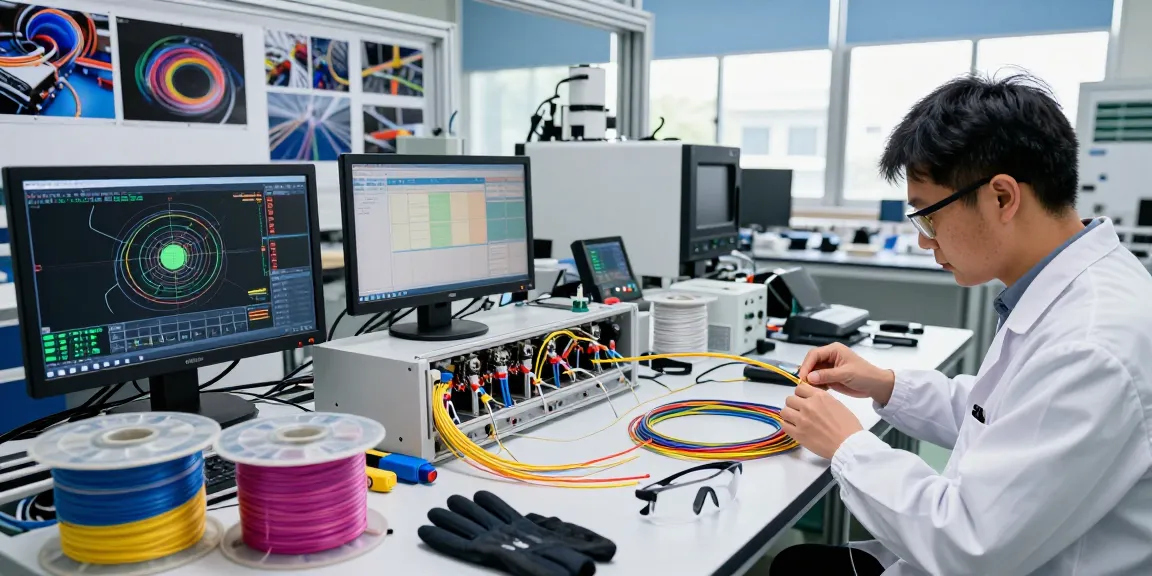
Understanding the Fiber Optic Advantage
In today's high-speed digital landscape, fiber optic technology is not just a luxury; it has become a necessity for organizations seeking to enhance their network capabilities. Fiber optics interconnect systems and devices with exceptional speed, flexibility, and reliability, making them a preferred choice for modern infrastructure. As industries evolve and demand for bandwidth increases, understanding the advantages of fiber optics over traditional cabling is crucial for businesses aiming to stay competitive.
What are Fiber Optics?
Fiber optics refers to the use of thin strands of glass or plastic (fiber) to transmit data as pulses of light. This innovative technology enables the transfer of large volumes of information over long distances with minimal loss. Fiber optics are composed of a core, cladding, and protective coating, which work together to facilitate high-speed data transmission. Unlike traditional copper wiring, which transmits electricity, fiber optics utilize light, making them faster and more efficient.
Key Benefits Over Traditional Cabling
- Higher Bandwidth: Fiber optic cables support significantly higher bandwidths than copper cables, making them ideal for data-heavy applications.
- Longer Distances: Fiber optic signals can travel much longer distances without degradation, enabling widespread connectivity in diverse environments.
- Interference Resistance: Fiber optics are immune to electromagnetic interference, resulting in more reliable connections in challenging settings.
- Security: Fiber optics offer enhanced data security since tapping into fiber cables without detection is significantly more challenging than with copper cables.
Applications in Modern Infrastructure
Fiber optics are increasingly integral to various applications across industries. From telecommunications networks facilitating global communications to data centers providing cloud services, the versatility of fiber optics allows for seamless integration and expansion. Additionally, they are vital in healthcare for telemedicine and in education for e-learning, ensuring robust connectivity for critical services.
Optimizing Procurement with Fiber Optics
Transitioning to fiber optic technology can elevate procurement strategies, streamlining processes that are often bogged down by inefficiencies. Organizations looking to modernize their infrastructures are discovering that revamping procurement through fiber optics not only enhances operational efficiency but also results in significant cost savings.
Streamlined Processes vs Traditional Methods
Traditional procurement methods often involve lengthy requests for quotes (RFQs), prolonged lead times, and substantial administrative overhead. FiberElectronics’ Preferred Customer Pricing Program simplifies these processes by providing customers with pre-negotiated prices based on their annual run rates, making the procurement experience much faster and easier.
Cost Efficiency and Savings through Fiber
Investing in fiber optic solutions can lead to substantial cost reductions over time. By eliminating the need for repeated RFQs and the associated administrative burden, businesses can focus on their core operations. Furthermore, fiber optics typically require less maintenance and replacement than copper wiring, leading to lower long-term costs.
Implementing Preferred Customer Pricing Programs
The Preferred Customer Pricing Program offered by FiberElectronics is designed to optimize procurement without any initial costs. Organizations can unlock elite-level efficient procurement while simultaneously managing their inventory through customized solutions. This program not only includes locked-in savings but also features zero-cost inventory management and same-day fulfillment, helping clients meet critical deadlines effortlessly.
Real-World Success Stories
Success stories from prominent organizations implementing fiber optic technology provide insights into its transformative impact. Understanding how others have leveraged these solutions can guide businesses in making informed decisions.
Case Study: NYSE and Fiber Optic Integration
The New York Stock Exchange (NYSE) serves as a prime example of how fiber optics can enhance transaction speeds and reliability. By integrating fiber optic solutions, NYSE has significantly reduced latency and improved data integrity, resulting in a more efficient trading environment. The shift to fiber optics has not only facilitated higher trade volumes but has also set a benchmark for digital connectivity in financial markets.
Success in Telecommunications with Fiber Solutions
Telecommunications companies are also reaping the benefits of fiber optic technology. By upgrading to fiber networks, providers have been able to deliver faster internet speeds and superior customer service. Implementations in this sector have demonstrated clear performance improvements, enabling enhanced data transmission rates that meet the demands of modern consumers.
Client Testimonials: Reliability and Performance
Customer feedback emphasizes the importance of reliability in fiber optic solutions. Many clients express satisfaction with the rapid turnaround times and quality assurance provided by FiberElectronics, noting how these attributes have positively impacted their operational timelines. Testimonials highlight real-world performance metrics and the positive shift in client relationships following the adoption of fiber optic technologies.
Future Trends in Fiber Optic Technology
The landscape of fiber optic technology is ever-evolving, with advancements paving the way for even more robust solutions. Future trends suggest that organizations must stay informed to leverage the latest innovations effectively.
Advancements in Co-Packaged Optics
Co-Packaged Optics (CPO) is a groundbreaking innovation that integrates optical and electrical components into a single package. This technology promises to revolutionize data transmission efficiency by minimizing the distance that signals must travel, thus reducing latency. As CPO technology matures, it offers the potential for significantly improved performance in data centers and high-performance computing applications.
Preparing for 800G and Beyond
With the advent of 800G technology, networks are on the cusp of unprecedented speeds and capacities. This transition requires a robust fiber optic infrastructure capable of supporting such high data rates. Organizations must invest in high-density fiber assemblies and cutting-edge optical sensing technologies to prepare for this significant leap forward in networking capabilities.
Future-Proofing Network Infrastructure
As businesses strive for longevity and sustainability in their networks, future-proofing becomes paramount. Deploying fiber optics not only meets current demands but also positions organizations to handle future technology advancements, ensuring that infrastructures remain relevant and efficient in a rapidly changing landscape.
Getting Started with Fiber Optics
For organizations looking to transition to fiber optic technology, the journey begins with informed planning and implementation strategies. By understanding the necessary steps, businesses can effectively navigate the transition and reap the rewards of fiber optics.
Initial Steps for Implementation
The first step in implementing fiber optics involves assessing current network needs and determining the appropriate solutions. This includes evaluating existing infrastructure and identifying areas where fiber can add value. Collaborating with experienced providers like FiberElectronics can streamline this process, ensuring that organizations select the best options for their unique requirements.
Choosing the Right Equipment and Solutions
The success of a fiber optic implementation hinges on selecting the right equipment. Organizations should consider their specific use cases, bandwidth needs, and future growth potential when choosing between different types of fiber optic cables, connectors, and related hardware. Partnering with reputable suppliers can help ensure that businesses are making informed choices that align with their goals.
Measuring Performance Metrics for Success
Once fiber optics are in place, measuring performance becomes critical for ensuring success. Key performance indicators (KPIs) such as throughput, latency, and error rates should be monitored regularly. This data helps organizations assess the effectiveness of their fiber optic implementation and make necessary adjustments or upgrades over time.
What are the main benefits of fiber optic technology?
Fiber optic technology offers numerous advantages, including higher bandwidth, improved speed, and greater security. These benefits make it essential for modern applications across a range of industries.
How does fiber optic compare with copper cables?
Fiber optic cables outperform copper in several key areas: they provide faster data transmission, support longer distances without signal loss, and are more immune to environmental factors and interference.
What industries benefit most from fiber optics?
Industries such as telecommunications, data centers, healthcare, and education significantly benefit from fiber optic technology due to its ability to support high-speed data transfer and robust network infrastructure.
What are common misconceptions about fiber optics?
Common misconceptions include the belief that fiber optics are more fragile than copper cables or that they are overly complicated to install. In reality, modern fiber optic cables are designed for durability and ease of installation, making them accessible for a variety of applications.
How do I transition to a fiber optic network?
Transitioning to a fiber optic network involves careful planning, assessing needs, consulting with experts, and selecting suitable equipment. Incremental upgrades can also ease the transition while minimizing disruptions to existing operations.